

Diplomatic Strains With China Seen As Threat To Philippine Solar Goals
- February 4, 2026
Table of Contents
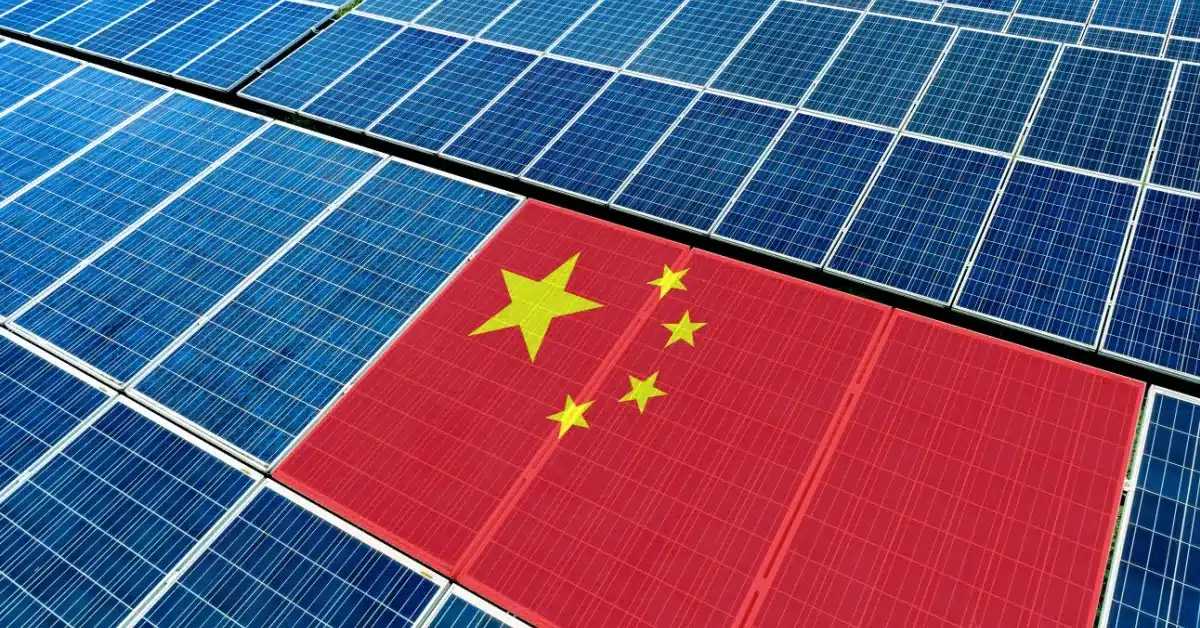
The Philippine solar and energy storage sector has warned that escalating diplomatic tensions between the Philippines and China could disrupt critical supply chains, threaten thousands of jobs, and undermine the country’s renewable energy and power security goals.
The Philippine Solar and Storage Energy Alliance (PSSEA), an industry group representing solar developers and suppliers, raised the concern in a formal letter to Senators Pia Cayetano and Win Gatchalian, urging lawmakers to maintain stable trade relations with China. The group said that recent public exchanges between Philippine officials and the Chinese embassy have created uncertainty that could ripple through the domestic solar industry.
The PSSEA noted that the Philippines depends heavily on Chinese-manufactured components for solar photovoltaic (PV) and battery energy storage projects. These include solar modules, mounting structures, inverters, batteries, and other balance-of-system equipment that form the backbone of local renewable energy installations.
Reliance On Chinese Supply Chains
“China is our primary source of solar modules, mounting structures, inverters, batteries, and other balance-of-system components,” the group said in its letter, describing Chinese supply as “the lifeline of the solar business.” Any disruption to these trade routes, it warned, could lead to project delays, higher costs, and setbacks to national renewable energy targets.
The warning comes amid strained relations between the two countries, driven by disputes in the South China Sea and the Philippines’ growing strategic alignment with the United States. In recent weeks, heated exchanges between the Chinese embassy and Philippine lawmakers, alongside incidents involving the Philippine Coast Guard, prompted calls from some officials to declare certain Chinese diplomats persona non grata.
President Ferdinand Marcos Jr. ultimately rejected those calls, but industry groups said the episode has already unsettled energy developers. PSSEA noted that even the prospect of a diplomatic or trade breakdown is enough to slow investment decisions, particularly for projects that rely on just-in-time delivery of imported equipment.
Jobs At Risk
The group highlighted the potential employment impact of supply disruptions. Citing data from the Department of Energy (DOE), PSSEA said the solar sector generated around 203,000 jobs between 2009 and 2022 and is expected to support roughly 10,000 jobs annually through 2030.
The risks are particularly acute for small and medium-sized enterprises involved in rooftop solar, battery installations, and off-grid electrification. These firms, which often serve residential customers and remote communities, rely almost exclusively on Chinese components due to their availability and cost competitiveness.
According to the PSSEA, technicians and engineers working in the sector have expressed growing concern that a breakdown in diplomatic or trade relations would affect their livelihoods and their ability to support their families. The group warned that construction delays would also translate into losses in government revenues tied to solar projects.
“We respectfully ask that our national leaders take into account the negative impact that a strained relationship with China will bring to the families and jobs of those who depend on the solar industry,” the group said.
Energy Security Concerns
Beyond jobs, PSSEA linked the issue to broader energy security challenges. The DOE has called for an aggressive expansion of solar capacity, including rooftop systems, by 2027 to address chronic electricity shortages in the Visayas and Mindanao. Solar PV and energy storage have become central to efforts to prevent blackouts and reduce reliance on fossil fuels.
In November, the government awarded around 6 gigawatts of solar PV capacity and about 1 gigawatt of solar-plus-storage projects under the Green Energy Auction Program. Energy storage, in particular, is increasingly viewed as essential to managing variable renewable generation and stabilizing the grid.
Meeting these targets, the group said, requires a steady and cost-effective flow of hardware that, at present, only Chinese suppliers can provide at the necessary scale. Disruptions could therefore slow deployment just as demand for new capacity is rising.
Global Issue
While the PSSEA’s appeal is focused on Philippine-Chinese relations, it also reflects a wider global challenge. China dominates the manufacturing of solar PV modules, inverters, and batteries worldwide, leaving many countries exposed to supply chain risks.
PSSEA concluded its letter by asking national leaders to balance geopolitical considerations with economic and energy realities. As the Philippines pushes to cut fossil fuel use and expand renewables, the group said, the transition currently depends on maintaining stable trade ties with the world’s largest producer of solar technology.
Source:
https://mb.com.ph/2026/01/30/philippine-solar-goals-at-risk-as-china-tensions-flare
https://newsinfo.inquirer.net/2173428/15-senators-cross-party-lines-vs-chinese-embassys-criticism


