DOE Maps Out 10-Year Green Energy Auction Plan To Accelerate Renewable Targets
- February 20, 2026
Table of Contents
The Philippine government is ramping up efforts to meet its long-term renewable energy goals, unveiling a 10-year Green Energy Auction (GEA) program designed to deliver at least 25 gigawatts (GW) of additional renewable capacity by 2035 and attract trillions of pesos in investments.
The Department of Energy (DOE) said the expanded auction pipeline aims to provide market certainty for developers while helping raise the share of renewables in the country’s power mix to 35 percent by 2030 and 50 percent by 2040.
Competitive Auctions
During the Renewable Energy Investment Forum in Taguig City, DOE Renewable Energy Management Bureau Director Marissa P. Cerezo outlined the 10-year GEA plan, which will offer 25 GW of renewable energy capacity through annual competitive auctions starting 2026.
For 2026 and 2027 alone, the DOE is targeting to auction more than 8 GW of new renewable capacity. From 2027 to 2028, the agency aims to deliver at least 3,200 megawatts (MW) of solar projects and 85 MW of rooftop solar installations across Luzon, Visayas, and Mindanao. An additional 5,565 MW covering various technologies is planned between 2028 and 2035.
Some projects from the upcoming auction rounds are expected to begin delivering power as early as 2027, according to Cerezo, supporting efforts to ensure reliable electricity supply.
Subsequent auctions for the remaining capacity under the 25-GW target will be scheduled based on the availability of projects with renewable energy contracts or certificates of award, grid conditions, and power supply-demand scenarios.
Broad Technology Coverage
The upcoming auction rounds will cover a wide range of renewable technologies.
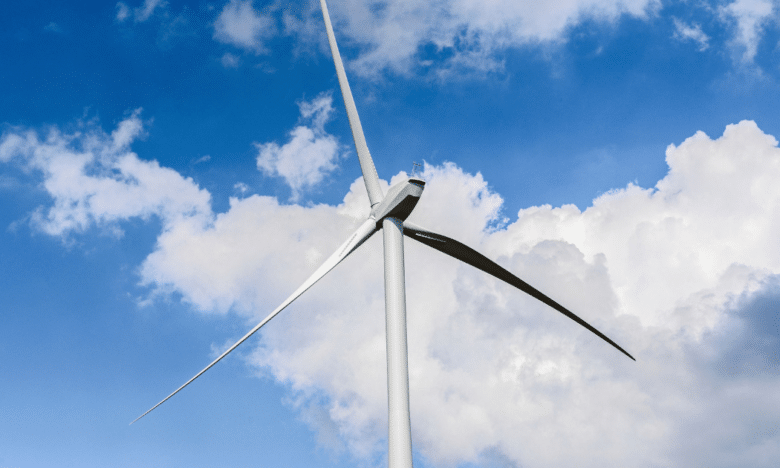
GEA-6 will auction capacities for onshore wind and floating solar projects. GEA-7 will include rooftop solar and solar paired with battery energy storage systems (BESS), in collaboration with the Mindanao Development Authority.
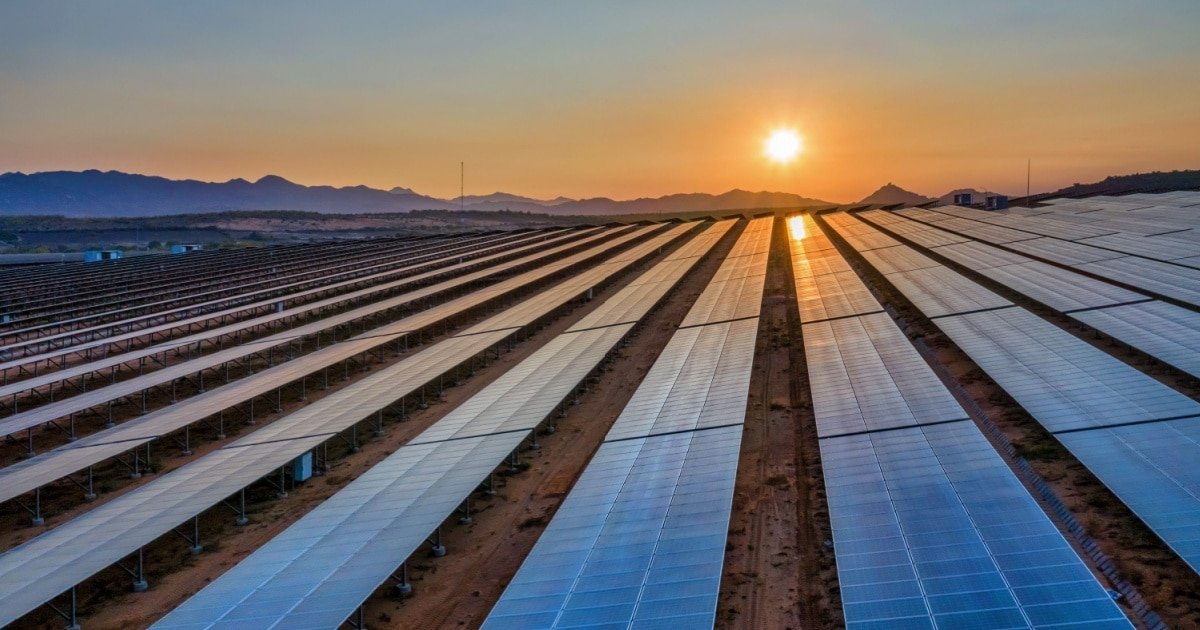
GEA-8 will feature solar on stilts with the Department of Agriculture, AgriSolar projects with the Department of Agrarian Reform and the Department of Agriculture, and canal-top solar with the National Irrigation Administration. GEA-9 will include biomass, geothermal, solar, hydropower and onshore wind projects.
The GEA program, launched in June 2022, allows power producers to compete for incentivized fixed rates by submitting bids at or below reserve prices set by the Energy Regulatory Commission.
Market Confidence
Energy Secretary Sharon Garin said the structured, multi-year auction pipeline is intended to translate investor interest into operational projects.
“By preparing a clear, auction-backed pipeline, we are giving developers and financial institutions the market visibility they need to plan, mobilize capital, and deliver projects on schedule,” Garin said, adding that clarity in how power is sold, priced, and monetized is critical as the country accelerates toward its renewable targets.
The DOE estimates that achieving the 2035 goal could require around ₱25 trillion in investments. Renewable energy projects already accounted for ₱5.21 trillion of green lane investments last year, according to the Board of Investments.
Alongside the 10-year plan, the DOE also rolled out the Renewable Energy Offtake in the Philippines guide, detailing key options such as auctions, net-metering, renewable energy certificates, and incentives to help investors navigate the market.
Source:
https://www.gmanetwork.com/news/money/economy/976475/doe-renewable-energy-capacity/story
https://tribune.net.ph/2026/02/13/philippine-clean-energy-set-to-surge-with-does-25-mw-plan