

5 New RE Projects Come Online As Philippines Pushes April Capacity Surge
- April 29, 2026
Table of Contents
The Philippines has brought five new renewable energy (RE) projects online with a combined capacity of 128.9 megawatts (MW), marking early progress in the government’s accelerated push to expand clean energy capacity amid global fuel market volatility.
The Department of Energy (DOE) confirmed the projects became operational as of April 17, forming part of a broader pipeline of 25 renewable energy and energy storage projects targeted for completion by the end of April 2026.
Early April Gains
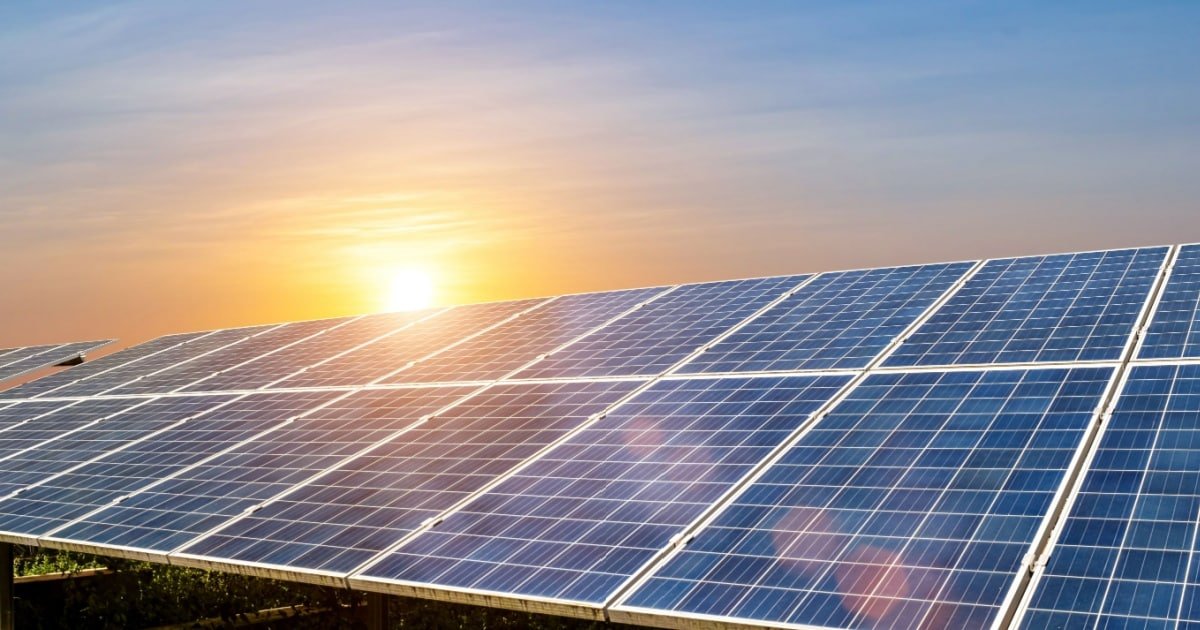
The newly operational facilities include a mix of solar and biomass projects spread across key regions. These are the 20.6 MW Hermosa Solar Power Project of Solana Solar Alpha Inc., the 17.5 MW Taft Solar Power Project of Taft Solar Energy Corp., the 8 MW biomass cogeneration plant expansion of Central Azucarera de San Antonio, the 52.8 MW Cordon Solar Power Project of Greenergy For Global Inc., and the 30 MW Arayat 3A Solar Power Project of Citicore Solar Pampanga 1 Inc.
Together, the projects represent the initial tranche of installations contributing to the DOE’s target of energizing 1,471 MW of new renewable and energy storage capacity within April.
The remaining 20 projects in the pipeline are already in advanced stages of development and are expected to begin operations within the same timeframe.
Tight Timeline
To ensure all projects meet their commissioning deadlines, the DOE said it is working closely with the National Grid Corporation of the Philippines (NGCP), the Energy Regulatory Commission (ERC), and the Independent Electricity Market Operator of the Philippines (IEMOP).
The coordination focuses on resolving bottlenecks related to transmission access, interconnection facilities, inspection processes, registration, and metering requirements. Energy Secretary Sharon Garin underscored the urgency of bringing new capacity online, particularly given ongoing geopolitical tensions affecting global energy markets.
“We commend the developers and all concerned agencies for moving these projects forward with urgency,” Garin said, noting that each new facility strengthens the country’s energy independence and resilience.
“At a time of continuing volatility arising from developments in the Middle East, fast-tracking our country’s renewable energy capacity is a critical strategic action to protect the Filipino people and the Philippine economy,” she added.
Transition Challenges
The latest project completions come as the country intensifies efforts to reduce its reliance on imported fossil fuels, which continue to dominate the country’s energy mix. Currently, renewable energy accounts for roughly 20 percent of electricity generation, while coal remains the primary source of power.
This dependence on imported coal and oil exposes the country to fluctuating global prices and supply uncertainties, reinforcing the importance of scaling up indigenous and sustainable energy sources.
Despite these challenges, the country holds strong potential for renewable energy expansion. It is already one of the world’s leading producers of geothermal energy and has significant untapped resources in solar and wind, including emerging offshore wind prospects in northern Luzon and central Philippines.
Government targets under the Philippine Energy Plan aim to raise the share of renewables in the power mix to 35 percent by 2030 and 50 percent by 2050.
Infrastructure And Cost Pressures
However, the transition remains uneven due to structural and technical constraints. Grid infrastructure continues to be a major limiting factor, particularly in integrating variable renewable sources such as solar and wind. Without sufficient transmission capacity and energy storage systems, power supply stability can be affected during periods of fluctuating generation.
Electricity costs also remain among the highest in Southeast Asia, partly driven by dependence on imported fuels and inefficiencies in the power sector. While renewable energy offers the prospect of lower long-term costs, managing the transition without triggering short-term price increases remains a key policy challenge.
Critical Phase For Energy Shift
The DOE’s April rollout target represents a critical near-term milestone in the country’s broader energy transition strategy. Complemented by initiatives such as the Green Energy Auction Program, which has already awarded contracts for thousands of megawatts of renewable capacity, the government is seeking to accelerate investments while maintaining system reliability.
As more projects move toward completion, the success of the current push will depend on sustained coordination across agencies, continued private sector participation, and the ability to address infrastructure gaps that could slow future deployments.
Source:
https://www.gmanetwork.com/news/money/economy/985321/doe-renewable-energy-projects/story


