

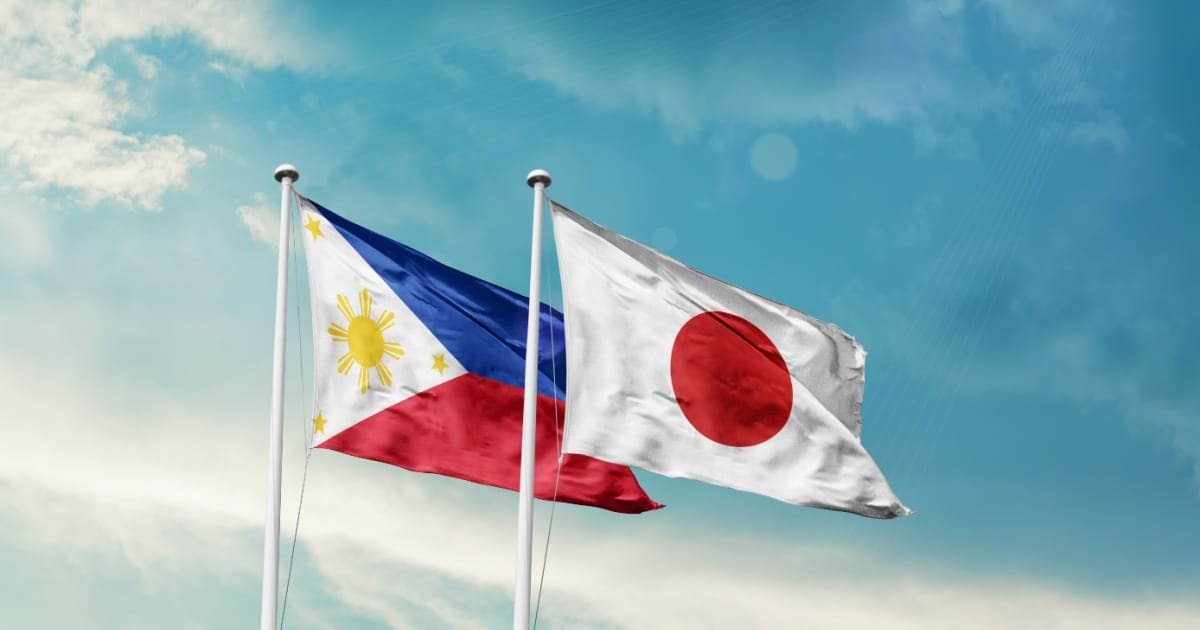
Marcos Eyes Japan Partnership To Secure Fuel Supplies
- May 21, 2026
Table of Contents
President Ferdinand Marcos Jr. said the Philippines will pursue stronger energy cooperation with Japan and Southeast Asian neighbors as global fuel supply uncertainties triggered by tensions in the Middle East continue to expose vulnerabilities in Asia’s energy systems.
Speaking to Japanese media ahead of his state visit to Japan from May 26 to 29, Marcos said the Philippines intends to deepen collaboration on fuel procurement, supply chain stability, oil stockpiling, and renewable energy development as part of a broader regional strategy to strengthen energy resilience.
The President said Japan has become a key partner in helping the Philippines explore solutions to potential fuel supply disruptions, particularly as countries across Asia reassess their dependence on traditional oil sources in the Middle East.
“We are actually very grateful to Japan because Japan has been of great assistance to us in trying to find different solutions for the supply of the different kinds of fuel,” Marcos said during the interview attended by Japanese and Philippine media.
ASEAN Energy Security Measures
Marcos said recent discussions during the 48th Association of Southeast Asian Nations (ASEAN) Summit in Cebu highlighted the urgency of institutionalizing regional energy security mechanisms, including a stronger ASEAN power grid and a coordinated oil reserve system among member states.
He noted that the ongoing crisis has pushed governments to move beyond temporary emergency arrangements toward longer-term and more permanent energy security frameworks.
“So, we have to find ways to prepare for that. We have done much work in ASEAN. We have done much work bilaterally with different countries around in the region. And we will continue to institutionalize what we started during this crisis,” Marcos said.
The President said the reopening and stability of critical shipping lanes such as the Strait of Hormuz remain important to global trade, but stressed that Asian countries are now increasingly looking for alternative measures to avoid overdependence on a single supply corridor.
“I don’t think that we will go back to the old system where the majority of the petroleum products that are coming out of the Strait of Hormuz are going to Asia,” he said.
POWERR Asia initiative
A major focus of Marcos’ upcoming discussions in Tokyo will be Japan’s proposed Partnership on Wide Energy and Resources Resilience, or POWERR Asia, an initiative launched by Japanese Prime Minister Sanae Takaichi in April.
The proposed mechanism includes up to $10 billion in assistance aimed at helping Asian countries secure crude oil supplies, diversify critical mineral sources, and develop more resilient energy supply chains.
Marcos said the Philippines wants to gain a clearer understanding of how the proposed system would operate and how it could strengthen linkages among countries in the region.
“And we will again try to get more clarity on what the POWERR Asia system is that has been proposed by Prime Minister Takaichi,” he said, adding that discussions would cover supply procurement, supply chain maintenance, and crude oil stockpiling capacity.
The President also said ASEAN members and regional partners are exploring “non-traditional” petroleum sources as part of efforts to diversify supply channels and reduce vulnerability to geopolitical disruptions.
Renewable Energy Transition
Beyond immediate fuel security concerns, Marcos reiterated that the Philippines remains committed to reducing dependence on fossil fuels and accelerating the transition toward renewable energy.
He acknowledged that some countries, including the Philippines, temporarily relied on coal-fired power generation amid supply constraints, but emphasized that renewable energy remains the long-term direction for the country and the broader Indo-Pacific region.
“In the longer term, it will give much, much greater impetus to all the countries around the Indo-Pacific and all around the world to move away from fossil fuels and move closer to renewables,” Marcos said.
The President also cited Japan’s advanced energy and power technologies, saying the Philippines hopes to continue working closely with Tokyo to improve domestic energy systems and access new technologies that could support energy diversification and stability.
Marcos is expected to discuss energy cooperation, regional resilience measures, and economic collaboration during his state visit to Japan later this month as governments across Asia seek to shield their economies from future geopolitical supply shocks.
Source:
https://tribune.net.ph/2026/05/19/japan-key-to-philippines-energy-security-plans-marcos


