Coal Power Dominance Decreases in the Philippines as Renewables Make Gains
- May 18, 2024
Philippines shifts towards renewable energy with a decrease in coal’s dominance, making up 29.7% of the 2023 energy mix, led by a surge in solar power.
The Philippines is making strides towards a more sustainable energy mix, as evidenced by a recent decrease in coal’s dominance in the power sector, according to data from the Department of Energy (DOE).
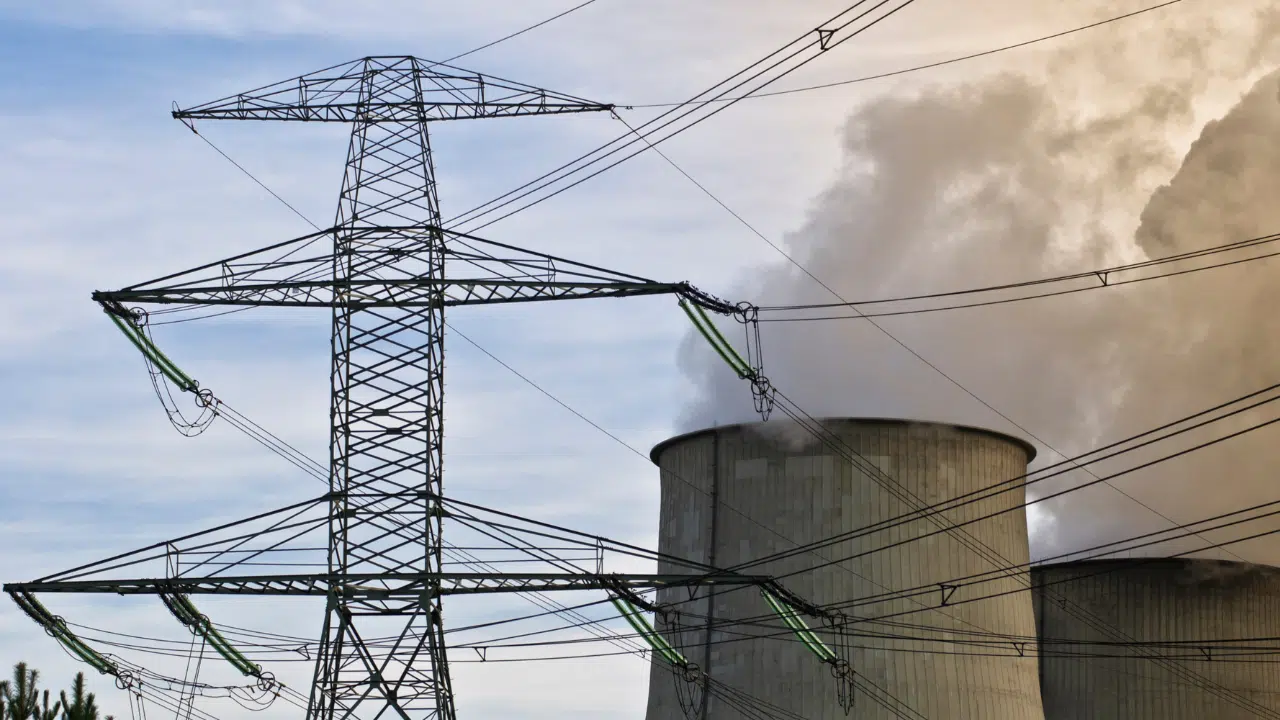
While coal-fired power plants still hold the largest share of the energy mix at 43.9% of total capacity in 2023, this represents a slight decline from the previous year. This shift indicates a gradual move towards more sustainable energy sources.
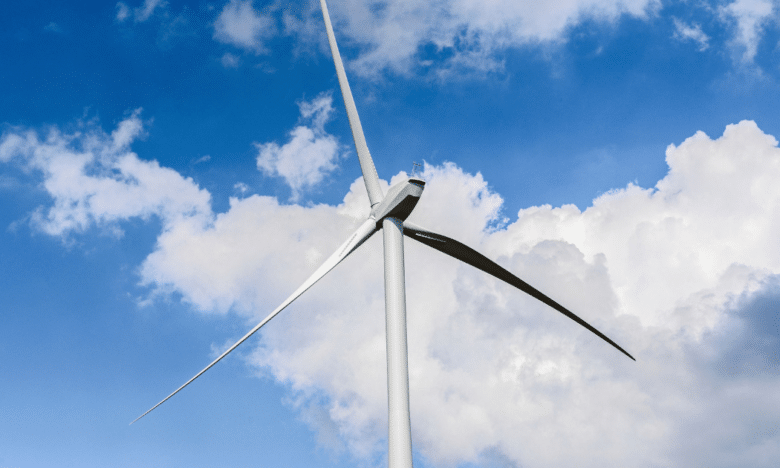
Renewable energy sources are on the rise, making up 29.7% of the energy mix in 2023, up by 1.85% from before. Solar energy has seen an 8% surge, leading this growth, followed by a 1.44% increase in hydropower. Meanwhile, geothermal facilities remained unchanged and biomass plants saw a small decline.
Oil and natural gas continue to hold steady, each contributing around 13.2%. Notably, oil-based power plants experienced a capacity drop of 2.52%, while natural gas plants remained stable.
The DOE notes a significant 143% jump in the capacity of energy storage systems in 2023. These systems are essential for managing the variability of renewable energy, though they aren’t included in the on-grid capacity figures.
In remote areas, off-grid power generation modestly grew by 1.63%. These regions largely depend on oil-based power, which accounts for 89.4% of the off-grid mix. Renewable facilities have a smaller presence but are gradually increasing, currently holding an 8.4% share.
The ongoing energy transition in the Philippines aims to diversify energy sources and lessen coal dependence, a major climate change contributor and geopolitically volatile commodity. This shift is not only about environmental stewardship but also strategic economics, helping to manage global energy price fluctuations and boost energy security.
By advancing these initiatives, the Philippines seeks to achieve sustainable development goals and demonstrate its commitment to combating climate change globally.
Source: Coal-fired generators still Philippines’ top source of electricity