DOE Pushes New Renewable Projects To Shield Economy From Oil Volatility
- April 8, 2026
Table of Contents
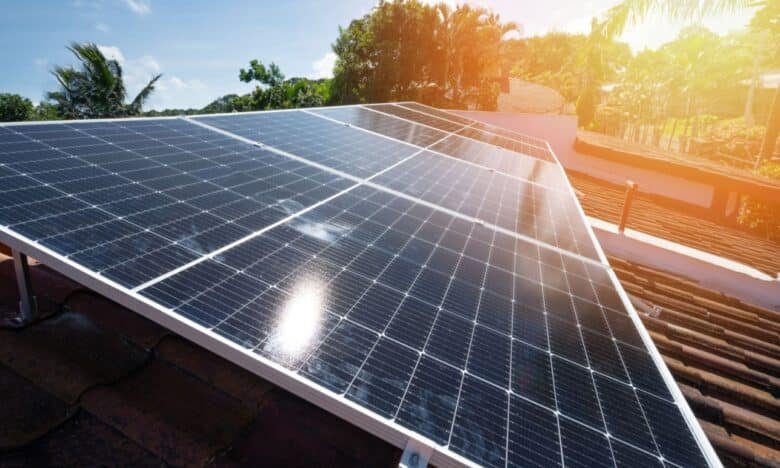
The Department of Energy (DOE) has advanced nine renewable energy (RE) projects to detailed evaluation under the Open and Competitive Selection Process Round 5 (OCSP5), marking a step toward adding over 50 megawatts (MW) of capacity as the Philippines pushes to reduce reliance on imported fuels amid global energy market volatility.
The DOE confirmed that the selected projects have passed initial screening and will now undergo legal, technical, and financial evaluation following the opening of bids on March 30. The process is governed by Department Circular No. DC2025-12-0029, which outlines a framework for the transparent and competitive awarding of RE service contracts.
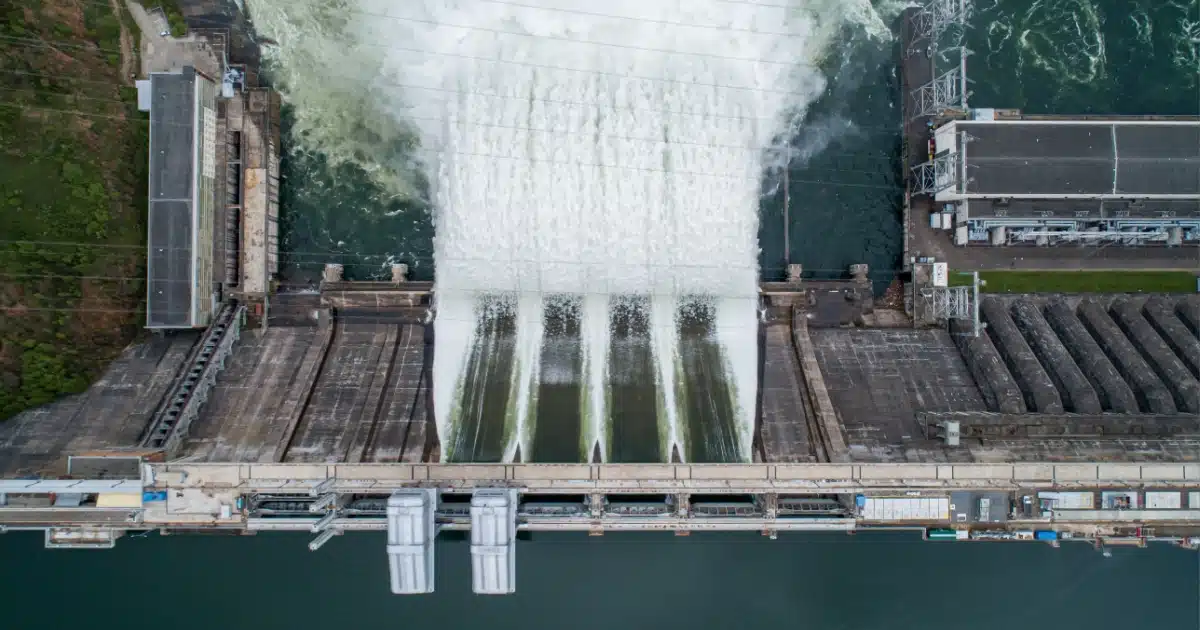
The endorsed projects include three small hydropower developments: the 6.7-MW Guinoba-an No. 1, 2.9-MW Guinoba-an No. 2, and 8.3-MW Pacu-an facilities. These are joined by the 25-MW Southern Leyte Geothermal Power Project and wind power developments in Cabusao and San Isidro.
According to the DOE’s Review and Evaluation Committee, all nine proposals complied with documentary requirements and are eligible to proceed upon payment of prescribed fees. “The DOE reaffirms its commitment to ensuring a transparent and competitive process in the award of RE Service Contracts under the OCSP framework,” the agency said.
Development Challenges
Despite the progress, the latest auction round also underscored persistent hurdles in developing certain renewable sites. Four hydropower projects – including the 6-MW Pinacanauan River and 2-MW Guiamon San Ramon – and the 48-MW Natib geothermal prospect failed to attract any bids.
The lack of interest in these areas highlights ongoing challenges tied to project scale, location, and commercial viability, particularly for smaller or more remote developments.
The OCSP framework allows foreign participation in certain contracts but maintains constitutional limits on resource ownership. Water rights and geothermal service contracts remain restricted to Filipino citizens or corporations with at least 60 percent local ownership.
Energy Security Pressures Drive Urgency
The advancement of these projects comes as the Philippines faces mounting pressure to secure a stable and affordable energy supply amid rising global oil prices linked to geopolitical tensions in the Middle East.
Energy Secretary Sharon Garin said the government is “moving with urgency” to accelerate renewable energy deployment as part of a broader strategy to reduce exposure to imported fuels.
“Our response is two-pronged: we are managing immediate risks while accelerating long-term structural reforms,” Garin said. “Renewable energy development is central to that strategy… as well as a practical way to reduce the country’s exposure to imported fuels impacted by the Middle East conflict.”
Electricity prices have come under strain due to fuel supply disruptions, with spot market rates projected to reach as high as ₱9 per kilowatt-hour. Regulators have moved to suspend operations of the Wholesale Electricity Spot Market temporarily to mitigate price spikes.
Investment Pipeline Expands Under Green Lane
Parallel to the OCSP process, renewable energy continues to dominate the government’s investment pipeline under the Board of Investments’ (BOI) green lane initiative. As of the end of March, total green lane investments reached ₱6.43 trillion, up 5.24 percent from ₱6.11 trillion at the end of 2025.
Of the 244 projects endorsed since February 2023, 189 are renewable energy developments valued at ₱5.52 trillion, accounting for nearly 86 percent of the total pipeline. Twelve new projects were approved in the first quarter of 2026 alone.
Trade Secretary Cristina Roque emphasized the importance of accelerating these projects, noting that “many of the projects under the Green Lane are in renewable energy and related infrastructure,” which are critical to stabilizing energy costs and sustaining economic growth.
Tightening Oversight
To ensure timely delivery, the DOE has taken a stricter stance on project execution. Earlier this year, it terminated 163 renewable energy contracts representing nearly 18,000 MW of capacity due to developers’ failure to meet timelines.
At the same time, the agency is working to fast-track new capacity additions, targeting the commissioning of 1,471 MW of renewable and energy storage projects within the month.
These efforts align with the Philippine Energy Plan, which targets a 35 percent renewable energy share in the power mix by 2030 and 50 percent by 2050. While fossil fuels continue to dominate current supply, the latest OCSP5 developments signal incremental progress toward a more resilient and locally sourced energy system.
Source:
https://tribune.net.ph/2026/04/07/nine-re-projects-cleared-to-add-over-50-mw-to-grid
https://bilyonaryo.com/2026/04/07/nine-re-projects-advance-to-next-stage-in-doe-auction/power
https://business.inquirer.net/583937/ph-in-renewable-energy-rush-to-curb-oil-crunch