Fuel Shock Awakens Energy Security Fears, Sparks Urgent Call For Renewable Shift
- March 20, 2026
Table of Contents
The ongoing conflict in the Middle East is sending shockwaves across global energy markets, with the Philippines emerging as one of the most vulnerable economies in Asia due to its heavy reliance on imported fuel.
Recent weeks have seen sharp fuel price increases, with diesel rising by as much as ₱17 to ₱24 per liter, gasoline by ₱7 to ₱13, and kerosene by ₱32 to ₱38. Industry projections suggest further hikes could push diesel prices beyond ₱100 per liter, while gasoline could climb by up to ₱17 per liter.
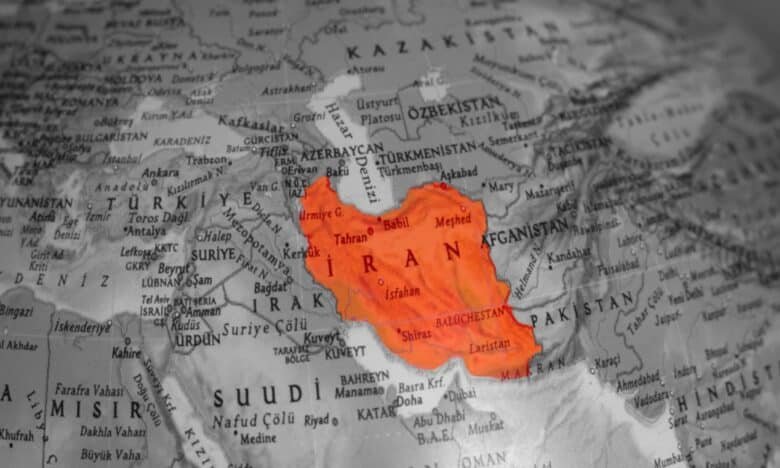
These increases follow heightened tensions involving Iran, which has led to disruptions in the Strait of Hormuz, a critical oil transit route supplying much of the Philippines’ fuel. Global oil benchmarks have surged past $100 per barrel, triggering two consecutive rounds of local pump price hikes exceeding ₱10 per liter.
The economic consequences are expected to intensify. Government estimates indicate inflation could reach as high as 7.5 percent if elevated oil prices persist, with ripple effects likely across transportation, food, and electricity costs.
High Exposure
The Institute of International Finance (IIF) has flagged the Philippines as one of the most exposed emerging markets to prolonged energy disruptions linked to the Middle East conflict, alongside Thailand and India.
In its assessment, the IIF cited the country’s dependence on imported fuel, significant reliance on Gulf supply routes, and limited fiscal capacity to cushion price shocks.
Fuel and food account for a substantial portion of the Philippine consumer price index, making households particularly sensitive to price spikes. Food alone comprises over 30 percent of the CPI basket, amplifying the inflationary impact of rising energy costs, especially through higher fertilizer and transport expenses.
Compounding these pressures is a weakening peso, which recently approached the P60-per-dollar level. A softer currency makes imported fuel more expensive, further straining both consumers and businesses.
Policy responses remain constrained. Under the Oil Deregulation Law of 1998, the government has no direct control over fuel prices. While lawmakers are considering measures to allow temporary suspension of fuel excise taxes when global prices exceed $80 per barrel, fiscal space remains limited compared to regional peers.
Urgency On Renewables
Amid the volatility, former Bayan Muna Rep. Carlos Zarate has urged the Marcos administration to treat the crisis as a turning point for energy policy.
He described the situation as an “urgent wake-up call” to accelerate the country’s transition away from imported fossil fuels and toward renewable energy sources.
According to Zarate, the recurring impact of geopolitical conflicts on domestic fuel prices highlights a deeper structural issue.
“The conflict in the Middle East is a stark reminder that our dependence on fossil oil is not just an environmental issue, but a matter of national security and economic survival,” he said.
He emphasized that renewable energy systems, particularly decentralized and community-based solutions, offer a more resilient alternative that can shield the country from global price shocks.
Decentralized Solutions
Zarate pointed to existing models such as mini-hydropower facilities and community solar projects, which have already brought electricity to remote areas in parts of the country.
He proposed scaling up these initiatives through state-backed financing, particularly via institutions like the Development Bank of the Philippines, to support electric cooperatives and local government units.
“These are faster to build, empower local communities, and insulate us from global price shocks,” he said, adding that government financial institutions should prioritize renewable energy investments as a standard policy.
The push aligns with the administration’s broader electrification efforts. President Ferdinand Marcos Jr. has reported that 2.5 million households have gained electricity access since 2022,
partly through increased focus on renewable energy.
Rising Power Costs
Despite these gains, the country’s continued reliance on fossil fuels for power generation leaves it exposed to rising global fuel costs.
Simulations by the Independent Electricity Market Operator of the Philippines indicate that electricity prices could increase by ₱2 to ₱4 per kilowatt-hour under current conditions. These projections factor in higher fuel costs, increased demand during hotter months, and potential power plant outages.
As global uncertainty persists, the convergence of rising fuel prices, inflation risks, and structural energy dependence is sharpening the urgency of policy decisions.
The current crisis underscores a critical juncture: whether the Philippines can leverage the moment to accelerate its energy transition or remain exposed to recurring external shocks tied to fossil fuel markets.
Source:
https://mb.com.ph/2026/03/18/philippines-among-asias-most-energy-vulnerable-economiesiif