

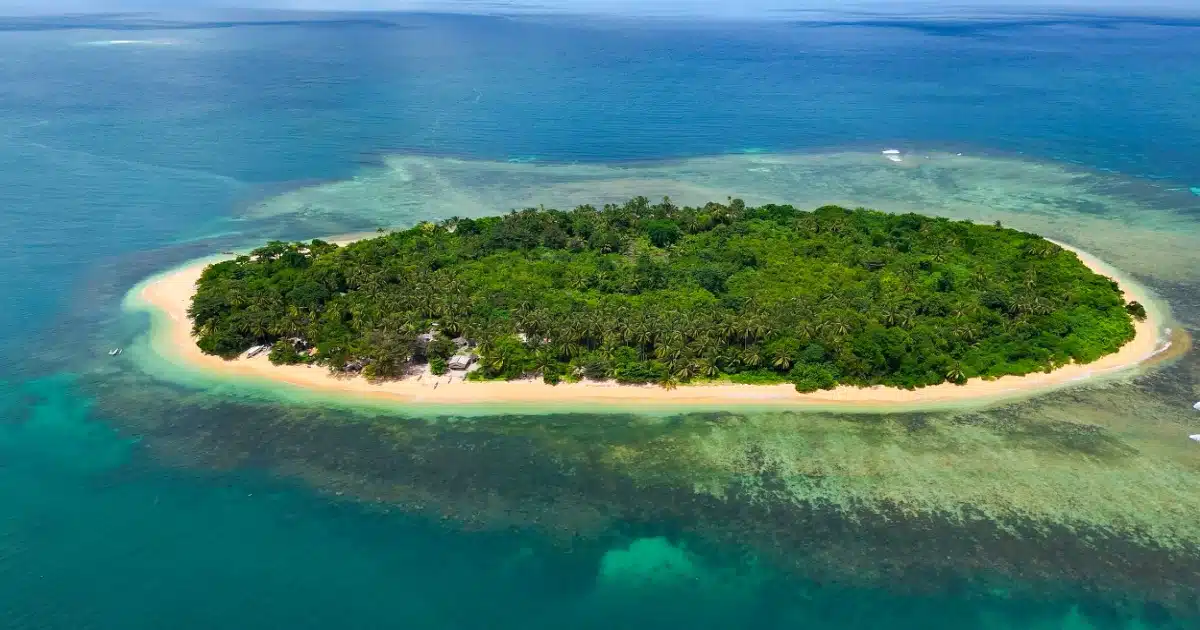
20 Off-Grid Islands Targeted In DOE’s Renewable Energy Auction
- August 10, 2026
Table of Contents
The Department of Energy (DOE) is preparing a dedicated renewable energy auction for off-grid islands as it seeks to replace costly diesel-fired generation with renewable energy and battery storage, potentially reducing the subsidy paid by electricity consumers nationwide.
The proposed Green Energy Auction (GEA) for the Small Power Utilities Group (SPUG) will initially cover 20 priority islands served by the state-run National Power Corp. (Napocor), with a combined annual electricity demand of about 367,000 megawatt-hours.
The initiative is expected to attract private investment into remote communities while lowering the cost of missionary electrification, which is partly recovered from consumers nationwide through the Universal Charge for Missionary Electrification (UCME).
High Cost Of Island Generation
DOE Undersecretary Rowena Cristina Guevara said electricity generation in Napocor-served islands currently costs about ₱18 per kilowatt-hour, compared with roughly ₱5 to ₱8 per kWh in the country’s main power grids.
In some remote islands, however, generation costs can climb as high as ₱62 per kWh, according to the DOE. The high costs are largely linked to dependence on diesel generation, as well as the expense of transporting fuel to isolated communities.
“We have not started the computation yet, but to give you an idea, the true cost of generation in our islands under Napocor is ₱18 per kilowatt-hour. On-grid, the average generation cost is about P5 to P8 per kilowatt-hour,” Guevara said.
The government shoulders the gap between the actual cost of supplying electricity in missionary areas and the rates paid by consumers through the UCME.
Diesel-Free Plants
Under the proposed auction, renewable energy developers will compete to build facilities combining solar photovoltaic systems with battery energy storage systems (BESS) in the targeted islands.
“Right now, because the prices for solar plus battery systems keep going down, we want to replace the diesel plants in the Napocor area with those,” Guevara said.
The DOE, Napocor and the Energy Regulatory Commission have begun consultations with prospective developers and local government units to refine the auction framework. The agency is still finalizing the auction parameters and the list of participating islands, with the first auction expected to be launched next year.
Guevara acknowledged that renewable projects in remote islands could face higher logistical costs because of the difficulty of transporting equipment and installing energy storage systems.
However, she said the potential savings could be substantial once the program is expanded. The DOE estimates that a broader shift to renewable-based systems across the targeted missionary areas could eventually reduce the UCME by about half, although the actual savings will depend on the winning bids and the resulting cost of electricity generation.
Maintaining Power During Transition
Napocor is expected to maintain uninterrupted electricity service while winning developers construct and commission the new renewable facilities.
The transition is intended to reduce exposure to volatile global diesel prices while improving the reliability and energy security of communities that remain dependent on imported fuel.
The initial 20-island rollout is also being positioned as a starting point for wider modernization of off-grid power systems. If the auction proves successful, the government could use the results to guide further renewable energy investments in other missionary areas.
The DOE and the Department of Agriculture (DA) are also reviewing a draft memorandum of agreement for the joint implementation of the 9th Green Energy Auction, which will explore agri-solar and aqua-solar projects.
The auction is intended to promote dual-use energy projects by making use of abandoned, undeveloped and underutilized agricultural land and water resources while supporting food production, rural livelihoods and clean power generation.
The DOE plans to release the terms of reference for the 9th Green Energy Auction in the fourth quarter of 2026.
The two auction initiatives reflect the government’s push to expand renewable energy while addressing the cost pressures associated with conventional power generation. For remote islands, the immediate focus is on replacing diesel plants with solar and storage systems and reducing the subsidy burden ultimately borne by electricity consumers across the country.
Source:
https://tribune.net.ph/2026/08/03/doe-targets-diesel-free-islands-with-green-power-auction-2
https://mb.com.ph/2026/08/04/doe-eyes-cheaper-power-bills-with-off-grid-re-auction


