

Outages And Rising Bills Reignite Albay’s ALECO Privatization Debate
- October 14, 2026
Table of Contents
Mounting power interruptions, rising electricity bills, and ₱5.7 billion in debt have intensified calls for reforms at the Albay Electric Cooperative (ALECO), reviving debate over a possible return to private management less than four years after the cooperative regained control of the province’s electricity distribution operations.
Mayors across Albay have demanded an immediate improvement in service, giving ALECO until the end of October 2026 to address recurring outages, while Governor Noel Rosal has pressed the cooperative’s management to present a credible financial and operational rehabilitation plan before consumers decide its future.
The League of Municipalities of the Philippines (LMP) Albay Chapter raised the issue during a meeting with ALECO, as residents continued to report weekly interruptions affecting households, businesses, and government services.
“The stand of the mayors was clear — after this month, if the power service does not improve or change, we will immediately report ALECO again,” Camalig Mayor and LMP-Albay President Caloy Baldo said in Bicol.
Baldo said the cooperative had committed to easing and eventually resolving the interruptions by the end of October. He also urged ALECO’s general manager and contractor to attend the next meeting personally to answer the mayors’ outstanding questions.
Ongoing Maintenance Works
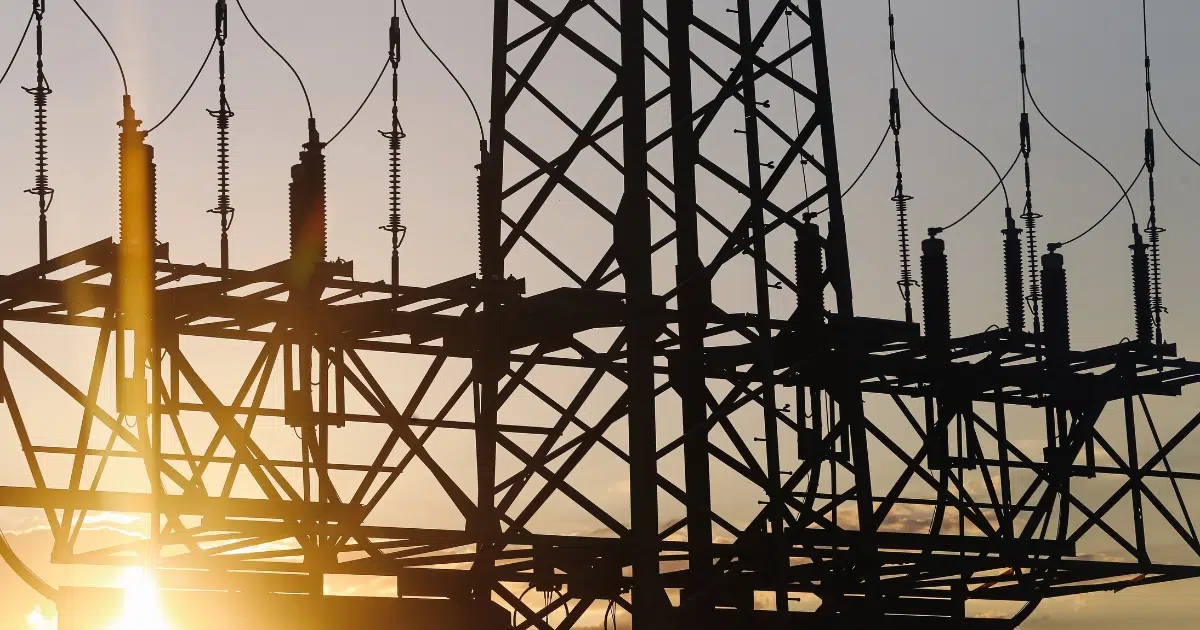
ALECO attributed the outages to ongoing maintenance, system upgrades, and rehabilitation works that require temporary power shutdowns to protect workers and the public.
The cooperative cited the installation of a 20-megavolt-ampere (MVA) transformer at the Cullat substation and the expansion of the Ligao substation in Dunao, Ligao City, from 20 MVA to 40 MVA.
“These infrastructure improvements involve construction, installation, rehabilitation, and upgrading of electrical facilities that require the temporary de-energization of portions of the distribution system to ensure the safety of personnel and the public while the necessary works are being undertaken,” ALECO said in a statement.
The upgrades are intended to improve system reliability and voltage regulation while accommodating growing electricity demand. However, the cooperative acknowledged that unforeseen circumstances could extend project schedules.
ALECO head of operations Mark Lucilo said the first phase of substation rehabilitation, valued at ₱367 million, was expected to be completed within 2026.
Funding has become a central issue as consumers question why service remains unreliable despite substantial government assistance. Since 2025, ALECO has received ₱367 million in national government funding for the rehabilitation of distribution lines and substations, alongside a separate ₱500-million subsidy from the National Electrification Administration (NEA) for new substations in Ligao City and Daraga.
The combined ₱867 million in funding and subsidies is intended to strengthen the province’s distribution network. Nevertheless, residents continue to complain about frequent blackouts and higher electricity bills.
“Our bill nearly doubled despite persistent power interruptions. It’s deeply frustrating because, on top of disrupting our daily household routines and business transactions, we are paying significantly more for electricity while Albay’s power services remain completely unreliable,” Legazpi City resident Jeric Azores said.
Debt And Privatization Concerns
The service problems have renewed scrutiny of ALECO’s financial position, with Rosal citing the cooperative’s ₱5.7-billion debt in his 2026 state-of-the-province report.
The governor has called for a comprehensive accounting of the cooperative’s finances, operations, and rehabilitation projects at a Special Annual General Membership Assembly (AGMA), allowing member-consumers to assess whether its recovery plans are achievable.
“We need a report from the board so that both the administration and the consumers can decide how we can help resolve this and determine whether we should continue relying on ALECO,” Rosal said.
“If we see that their plan is doable, why look for another distributor? But they must prove their plans and explain them to the public — especially regarding debt servicing, given their existing debt of around ₱5 billion to ₱6 billion.”
Although discussions about a private takeover gained momentum in 2025, Rosal clarified in July that the provincial government had not formally requested assistance from Manila Electric Co. (Meralco), despite reports of preliminary talks involving lawmakers.
Albay 2nd District Representative Caloy Loria had previously said Meralco was interested in potentially operating across the province. He also filed House Resolution No. 108 in 2025, seeking a legislative inquiry into ALECO’s operational failures and frequent outages.
Rosal, however, maintained that decisions on rehabilitation and management should ultimately rest with member-consumers, supported by transparent information from the cooperative’s board.
The debate carries historical significance. In 2014, ALECO signed a 25-year concession agreement transferring operations to Albay Power and Energy Corp. (APEC), a subsidiary of San Miguel Energy Corp., to address the cooperative’s financial difficulties.
The arrangement was terminated in November 2022 amid persistent operational problems, mounting power-supplier liabilities, and service deficiencies. Distribution operations subsequently returned to ALECO under the supervision of the NEA.
Renewed Privatization Opposed
The prospect of another private takeover has drawn opposition from the Philippine Movement for Climate Justice (PMCJ), Albay Renewable Energy Alliance and ALECO Member Consumer Owners Alliance, which argue that privatization failed to resolve the province’s electricity problems during the previous arrangement.
PMCJ senior energy program officer Larry Pascua said the earlier concession did not prevent debt from increasing and warned that another privatization could worsen the burden on consumers.
Advocates instead want the cooperative’s aging power lines, substations and other facilities rehabilitated, alongside the development of cleaner energy sources. Pascua also argued that Albay’s geothermal resources, including facilities in Tiwi and Manito, could contribute to more reliable and sustainable electricity services.
For local officials, the immediate priority remains uninterrupted power. Baldo said the mayors would continue supporting ALECO but expected measurable improvements and better communication with consumers, particularly during unscheduled outages.
Source:
https://www.rappler.com/philippines/luzon/will-aleco-reprivatization-worsen-albay-power-woes-groups


