DOE Releases New Advisory on Accredited Electric Vehicle Charging Stations (EVCS) Providers
- May 25, 2024
As per the DOE’s EV Advisory Issue No. 12, the Philippines now has SAFE AND RELIABLE electric vehicle charging solutions!
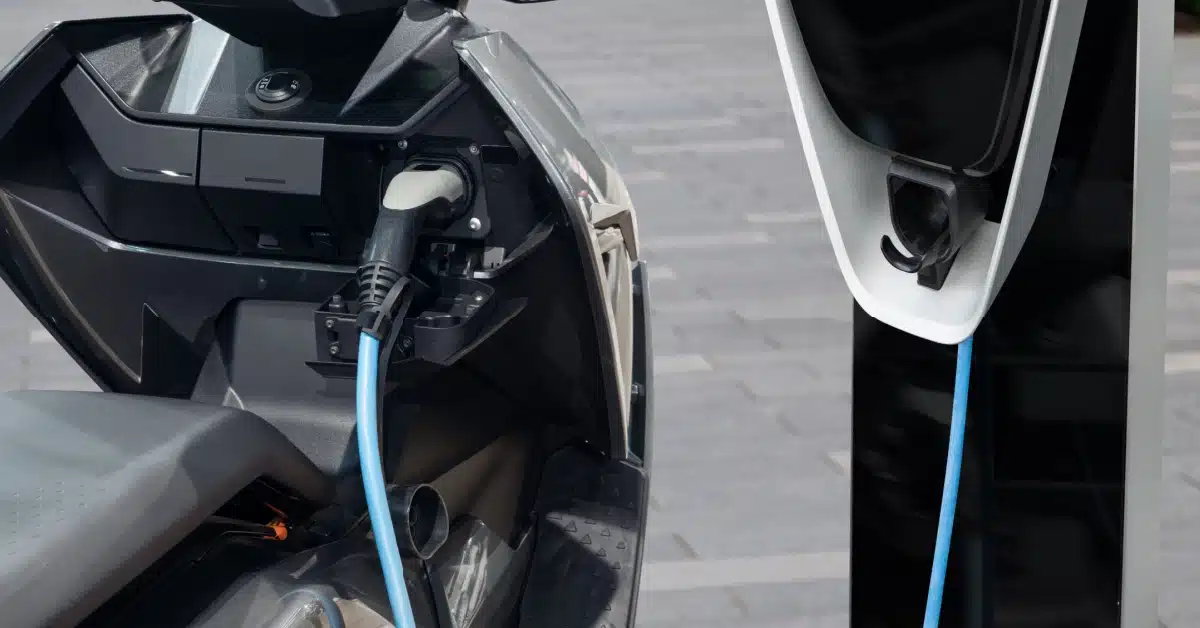
DOE Accredited EVCS Providers are the leading electric vehicle charging station (EVCS) in the country. There are three categories of EVCS Providers based on their scope of operation: The EVCS -Operator collects user fees for access to facilities to charge electric vehicles (EVs).
The EVCS-Service collects fees for the construction, installation, maintenance, data and payment management of EVCS.
Lastly, the EVCS – Supplier sells EVCS and parts.
To learn more about the DOE-accredited EVCS Providers, please visit https://evindustry.ph/accredited-providers.
For more information about the EV transition, please visit the Philippine EV Industry portal at https://www.evindustry.ph/.
The most updated list of DOE-recognized EVs following the DOE Department Circular No. DC2023-05-0011 – EVCS Providers Accreditation and EVCS Registration Guidelines as of May 1, 2024 can be accessed here: https://doe.gov.ph/announcements/ev-advisory-doe-updated-list-recognized-evs