Future Looks Brighter For E-Vehicles With Expanded Tax Breaks
- June 6, 2024
Will e-vehicles soon become the norm in Philippine roads? With increasing national government support for more sustainable forms of transportation, maybe our greener future is upon us.
The National Economic and Development Authority (NEDA) Board, chaired by President Ferdinand Marcos Jr., recently expanded the coverage of tax breaks for electrical vehicles, parts, and components. With this development, the country could soon join the global wave towards electric vehicles.
Transition To EVs Now On Overdrive
The e-vehicle tax breaks previously covered two and three-wheeled battery electric vehicles (BEVs), hybrid electric vehicles (HEVs), and plug-in hybrid electric vehicles (PHEVs) until 2028. Now they have been expanded to include e-motorcycles, e-bicycles, nickel metal hydride accumulator batteries, e-tricycles, hybrid EVs, and plug-on HEV jeepneys and buses.
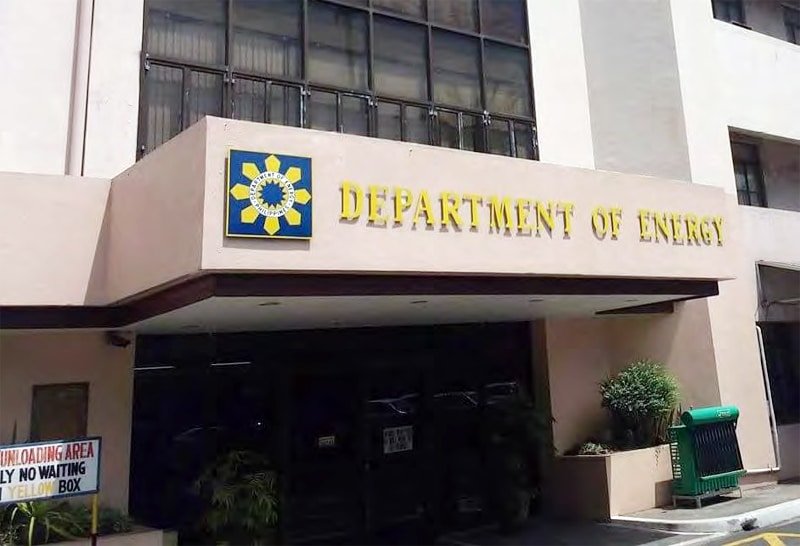
The move has earned praise from the Department of Energy (DOE), which they see as an important catalyst for the country’s transition of land transport vehicles to EV, aligning with the department’s Comprehensive Roadmap for the Electric Vehicle Industry (CREVI).
A Greener Industry
“By broadening the scope to include a wider range of electric and hybrid vehicles, we are not only simplifying environmentally friendly choices for consumers but also fostering innovation and growth within the country’s electric vehicle industry program, subject to an annual review,” Energy Secretary Raphael Lotilla said.
She added that the tax incentives will increase demand for electric and hybrid vehicles, stimulate domestic manufacturing and assembly, and generate more green jobs in the country.
As of 2023, there were 7,515 electric vehicles (EVs) out of the 14.3 million registered land transport vehicles in the country, according to the Land Transportation Office. Looking ahead, the CREVI has set a goal to have 311,700 EVs on the road by 2028 under their current plans. They also aim to set up 7,300 EV charging stations from 2023 to 2028.
Source: DOE lauds NEDA’s expansion of tax breaks for e-vehicles