

Government Ramps Up Waste-To-Energy Drive With Bigger Auction
- June 24, 2026
Table of Contents
The Department of Energy (DOE) has increased the capacity target for its upcoming special Green Energy Auction (GEA) round for waste-to-energy (WTE) projects, raising the installation goal to 400 megawatts (MW) from the original 230 MW as it seeks to attract more developers and accelerate investments in emerging renewable energy technologies.
The move forms part of revisions to Department Circular No. DC 2026-04-0011 and the corresponding auction guidelines, which the DOE said are intended to encourage broader participation, strengthen project viability, and support the country’s clean energy and solid waste management objectives.
Higher Capacity Allocation
“This expansion aims to accelerate the deployment of waste-to-energy technologies while supporting the country’s clean energy transition and solid waste management objectives,” the DOE said.
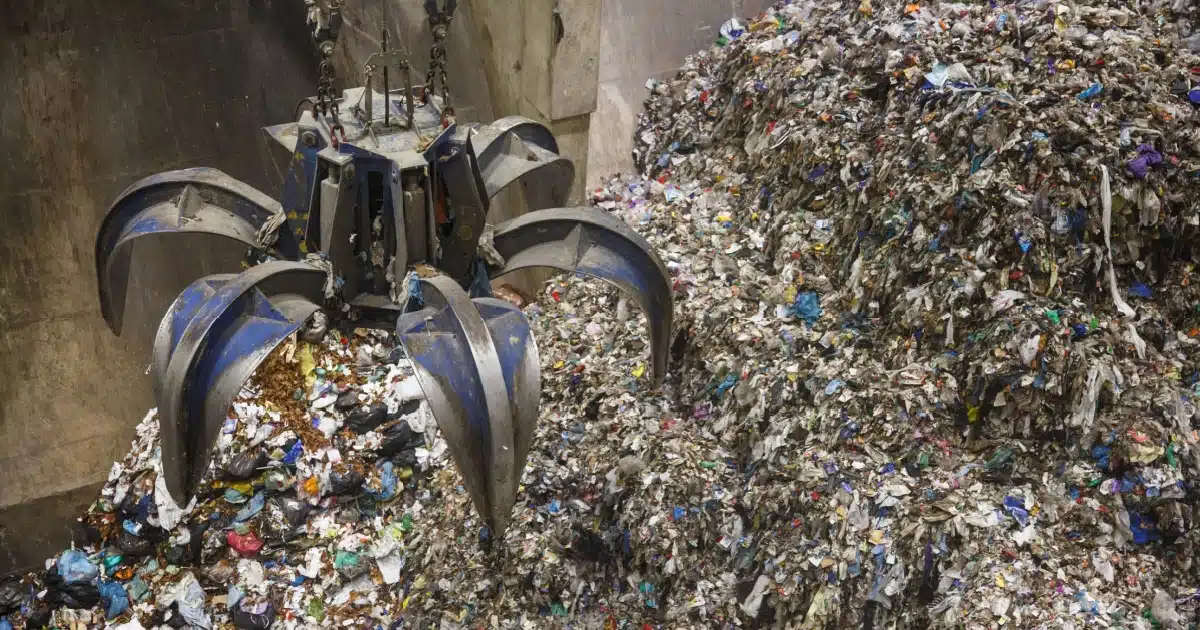
Thermal combustion technology generates power by burning solid municipal waste, offering a dual benefit of producing electricity while helping address growing waste disposal challenges in urban areas.
Energy officials have previously described the special auction round as a means of developing an additional source of renewable energy while reducing dependence on conventional waste disposal methods such as landfills.
The revised capacity target follows the DOE’s decision earlier this month to temporarily pause auction proceedings to reassess program parameters and improve participation prospects among prospective developers.
Extended Project Deadlines
Alongside the higher installation target, the DOE also adjusted project timelines to give developers more flexibility in meeting technical and financial requirements.
Under the revised schedule, the deadline for mechanical completion of awarded projects has been moved to December 2028 from the earlier target of March 31, 2028. The delivery commencement date, or the point when facilities are expected to begin supplying electricity to the grid, has likewise been extended to December 2029 from March 2029.
According to the DOE, the adjustments are intended to accommodate development requirements and improve investor confidence in the program.
The agency said the revised timelines will help ensure that participating projects remain both technically feasible and financially viable, particularly given the capital-intensive nature of WTE facilities.
Winning developers are expected to supply electricity to the national grid under long-term power purchase agreements lasting 25 years, providing revenue certainty once projects are commissioned.
Attracting More Participants
To further widen participation, the DOE extended the registration period for qualified suppliers until July 31, 2026, from the previous deadline of June 16, 2026.
The agency also expanded eligibility rules, allowing companies that secure either a Waste-to-Energy Operating Contract or a Biomass Energy Operating Contract on or before the end of the registration period to participate in the auction.
DOE officials said the changes are aimed at attracting more bidders, encouraging stronger competition, and supporting the rollout of innovative WTE solutions across the country.
By broadening the pool of participants, the government hopes to increase private sector interest in projects that can simultaneously contribute to energy security and waste management goals.
Improving Project Economics
The policy adjustments come amid efforts to make WTE investments more financially attractive.
Earlier this year, the Energy Regulatory Commission (ERC) revised the pricing framework for the technology by increasing the Green Energy Auction Reserve Price (GEARP), which serves as the ceiling price for bids submitted during the auction.
The reserve price was set at ₱9.29 per kilowatt-hour, higher than the originally proposed ₱8.0167 per kWh, to help preserve project viability amid significant upfront capital requirements.
The DOE said the expanded capacity allocation, revised timelines, and updated auction rules are expected to create a more favorable environment for investors while advancing the government’s broader renewable energy agenda.
As the country pursues a more diversified energy mix, officials view waste-to-energy projects as a potential contributor to both power generation and sustainable waste management, particularly in rapidly urbanizing areas facing increasing volumes of municipal waste.
Source:
https://business.inquirer.net/596103/doe-raises-waste-to-energy-bid-target-to-400-mw


