Offshore Gas Under Fire, But What About the Environmental Cost of Renewables?
- November 13, 2026
Table of Contents
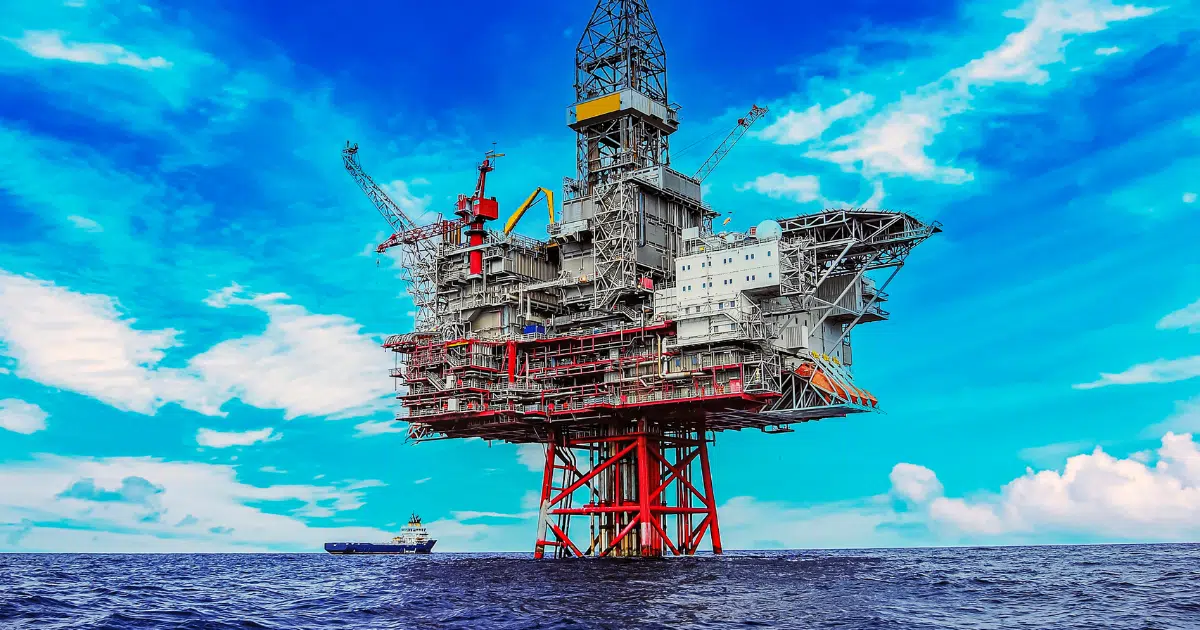
The concentration of oil and gas exploration activities around Palawan is raising fresh environmental concerns. Of the country’s 22 active petroleum service contracts, 14 are located off Palawan, placing some of the country’s most ecologically sensitive marine areas at potential risk, according to the Center for Energy, Ecology, and Development (CEED).
In its report, “Don’t Drill Paradise,” the environmental group identified at least four contract areas near protected sites, including the UNESCO-listed Tubbataha Reefs Natural Park, El Nido-Taytay Managed Resource Protected Area, and Malampaya Sound Protected Seascape.
Another four contract areas fall within municipal waters and overlap with designated Fisheries Management Areas, heightening the risk of possible disruption to fishing grounds and the livelihoods of coastal communities.
CEED Executive Director Gerry Arances warned that environmental damage could begin long before oil or gas is extracted. He cited noise pollution from exploration activities that could damage marine animals’ hearing, cause stress, and disrupt essential biological activities.
Other risks include oil spills, methane emissions, threats to public health, and potential damage to communities dependent on healthy marine ecosystems.
The concerns carry particular weight for Palawan, a UNESCO Biosphere Reserve widely recognized for its exceptional biodiversity.
(Also read: Philippines Pushes Faster ASEAN Power Grid To Shield Region From Energy Crises)
Renewable Energy’s Own Environmental Footprint
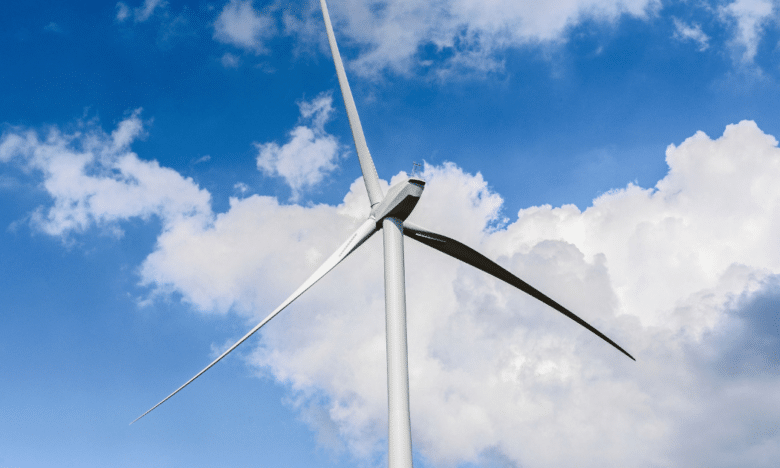
Wind energy development in the Philippines is reaching new milestones, with the country now hosting Southeast Asia’s largest wind turbines outside China. Alternergy Holdings Corp. recently energized the first turbines of its ₱6.7-billion, 64-megawatt (MW) Alabat wind farm in Quezon. The facility is expected to generate enough electricity to power around 218,500 households each year.
Meanwhile, Econergy Renewable Power Philippines Inc. is pursuing a 150-MW wind farm in Northern Samar, backed by an estimated ₱5.67 billion investment. The proposed facility will cover 3,159 hectares across Allen, Victoria, San Isidro, and Lavezares, with plans to install 30 turbines, each capable of generating 5 MW, alongside two substations.
Several wind energy projects, however, have also come under fire over their potential environmental consequences, despite being promoted as clean energy developments.
For instance, the 218.75-MW Talim Wind Power Project, spanning approximately 3.4 million square meters across Binangonan and Cardona, Rizal, has drawn opposition from local communities.
Earlier this year, fisherfolk and coastal residents staged protests over its potential effects on Laguna de Bay, with organizers estimating that more than 40,000 people could be affected. The project, developed by Island Wind Energy Corp., a subsidiary of Singapore-based Vena Energy, also faced calls from environmental critics for its suspension pending environmental assessments, full disclosure of project information, and meaningful consultations with affected communities.
Another controversial project is Vena Energy affiliate Rizal Wind Energy Corp.’s proposed 603-MW wind farm across Tanay and Antipolo, covering 13 mountain ridges. Its planned turbine sites have drawn attention for their proximity to protected landscapes, including the Masungi Karst Conservation Area.
In 2023, the Masungi Georeserve Foundation documented drilling equipment and construction activity for 12 turbines within the sanctuary. Although the foundation sought to stop the development, the DENR rejected its petition in March 2026. The project is currently suspended, despite its Environmental Compliance Certificate (ECC) remaining valid.
Offshore Wind Projects Also Carry Environmental Costs
Atty. Gerthie Mayo-Anda of the Puerto Princesa-based Environmental Legal Assistance Center (ELAC) questioned the scale of offshore oil and gas exploration around Palawan, emphasizing the need for scientific evidence and meaningful public consultation in decisions affecting the province’s marine environment.
Those same principles should apply to offshore wind developments, which are not without ecological consequences. Like offshore gas projects, wind farms can affect marine habitats and coastal livelihoods, making thorough environmental assessments and community consultations equally important.
Across the country, fishing and farming groups have increasingly challenged the environmental and social costs of large-scale renewable energy investments. The Kilusang Magbubukid ng Pilipinas (KMP) and Pambansang Lakas ng Kilusang Mamamalakaya ng Pilipinas (Pamalakaya) have questioned whether these developments adequately protect communities dependent on natural resources. Pamalakaya has also urged the Department of Environment and Natural Resources (DENR) to review permits for projects facing opposition from affected residents.
A case in point is the proposed 1,000-MW San Miguel Bay offshore wind farm in Bicol. Spanning 23,307 hectares of coastal waters in Camarines Sur and Camarines Norte, the development could affect at least 6,000 small-scale fisherfolk across seven municipalities. It is being developed by Copenhagen Infrastructure Partners (CIP), through its Philippine affiliate, in partnership with Ayala-backed ACEN Corp.
Despite reportedly entering pre-development in 2023, the project only came to the attention of local fisherfolk in 2025, according to community members. Calabanga fishing leader Norberto Harukhok said residents want the turbines positioned at least 15 kilometers offshore to protect their fishing grounds. He warned that restricted fishing access, underwater noise, sediment disturbance, and potential damage to marine habitats could affect fish catches and household incomes.
(Also read: Filipinos Brace For Higher Power Bills As Peso Hits Record Low)
Energy Development Must Come With Equal Environmental Accountability
The debate over the country’s energy future should not be reduced to a choice between fossil fuels and renewable energy, or between clean energy ambitions and environmental protection.
Both are important considerations, but neither should come at the expense of the other. Whether a project involves offshore gas, wind farms, or other renewable technologies, its environmental footprint must be assessed with the same level of scrutiny, transparency and accountability.
Renewable energy is an important part of reducing carbon emissions and diversifying the country’s energy mix. But expanding its share does not automatically translate into energy justice. Large-scale wind and solar developments can still displace communities, disrupt fishing grounds, threaten biodiversity and alter ecologically sensitive landscapes. Calling a project clean because its source of power is renewable does not erase the environmental and social costs of building it.
At the same time, fossil fuels continue to play an important role in meeting electricity demand. Unlike wind and solar generation, which depend on weather conditions, conventional power sources can provide more consistent and dispatchable electricity. This reliability remains important for a country that needs a stable supply to support households, businesses, and industries. While fossil fuel developments carry legitimate environmental risks, dismissing their contribution to energy security without considering the limitations of weather-dependent alternatives oversimplifies the debate.
Ultimately, the Philippines needs an energy strategy that considers not only how much electricity can be generated, but also how reliable, affordable, and sustainable that supply will be. Renewable energy should be encouraged, just as responsible development of conventional energy sources should be considered where necessary to meet demand.
The standard, however, must be the same for everyone. No project should receive preferential treatment simply because it carries a renewable or green label, just as no fossil fuel development should be exempt from environmental safeguards. Scientific assessments, transparent permitting, public consultation and meaningful community participation must apply across the board.
Sources:
https://newsinfo.inquirer.net/2332964/14-palawan-offshore-oil-gas-deals-threaten-marine-biodiversity
https://cbcpnews.net/cbcpnews/church-group-demands-halt-to-talim-wind-farm-construction/
https://businessmirror.com.ph/2026/01/05/group-bares-adverse-effect-of-re-projects
https://www.bulatlat.org/2026/10/28/proposed-foreign-funded-wind-projects-threaten-bicol-fishers