

Philippines Ramps Up Energy Security Drive With Stronger US Partnership
- October 20, 2026
Table of Contents
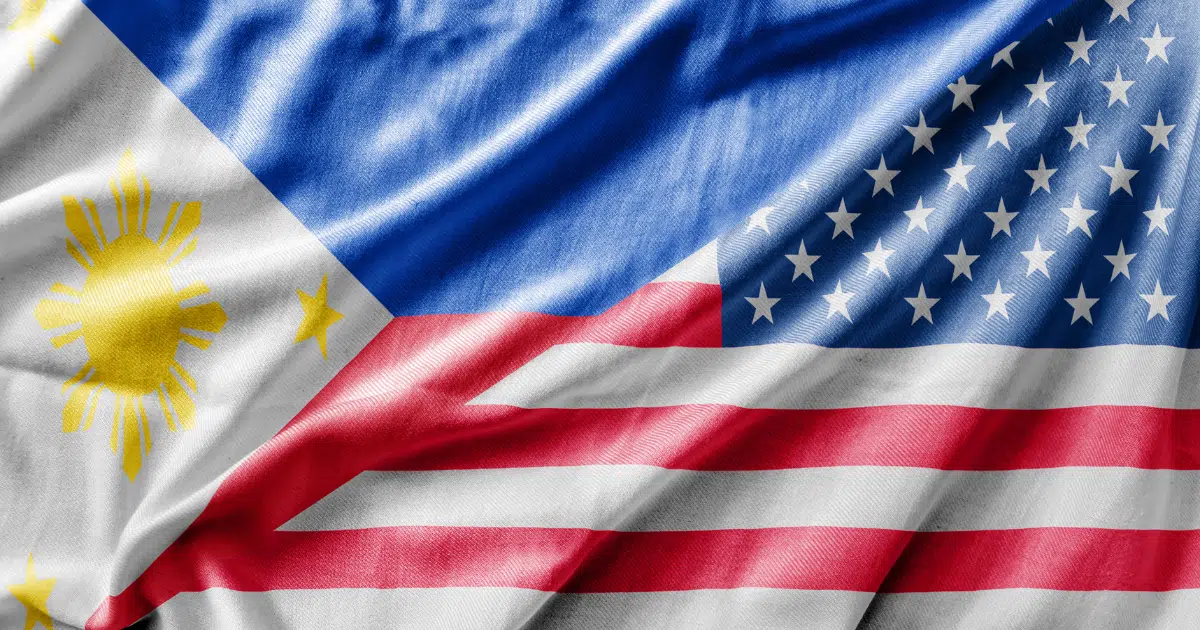
The Philippines and the United States are exploring expanded cooperation in nuclear power, liquefied natural gas (LNG), geothermal energy, and strategic petroleum reserves as Manila seeks to diversify its energy mix and strengthen its protection against supply disruptions.
Energy Secretary Sharon Garin met US Energy Secretary Chris Wright in Washington, D.C., on Oct. 15 to discuss potential collaboration across conventional and emerging energy sources, including coal and natural hydrogen, according to the Department of Energy (DOE).
“Our priority is to ensure a secure, reliable and affordable energy supply for Filipino families and businesses,” Garin said in a statement.
She added that closer cooperation with the United States would help the Philippines diversify its energy sources, develop domestic resources and build the technical capabilities needed to support long-term energy security.
The discussions come as the government pursues measures to address rising electricity demand, improve fuel security and reduce the country’s exposure to disruptions in international energy markets.
Nuclear Power Preparations
Nuclear energy was among the key areas discussed under the Philippines-US Agreement for Cooperation Concerning Peaceful Uses of Nuclear Energy, also known as the 123 Agreement.
Signed in 2023, the agreement took effect in 2024 and provides a framework for cooperation on the peaceful use of nuclear technology.
The officials discussed the US State Department’s Foundational Infrastructure for Responsible Use of Small Modular Reactor Technology (FIRST) program, which supports technical and institutional capacity-building for the safe and responsible development of nuclear energy.
They also highlighted a US Trade and Development Agency-backed reverse trade mission intended to connect Philippine government officials and industry representatives with American nuclear technology suppliers and specialists in financing, regulation and workforce development.
The Philippines is targeting the entry of nuclear power into its generation mix beginning in 2032, with an initial capacity of 1,200 megawatts (MW). Under the government’s energy plan, capacity is expected to increase to 2,400 MW by 2035 and 4,800 MW by 2050.
The initiative forms part of the administration’s renewed consideration of nuclear power as an option for strengthening energy security and addressing electricity costs.
In February, the US Trade and Development Agency announced $2.8 million in funding for technical assistance to Meralco PowerGen Corp. to evaluate US small modular reactor designs and prepare an implementation roadmap for the country’s first small modular reactor nuclear power plant.
The project is intended to help address growing energy demand while creating opportunities for US companies to participate in the Philippines’ nuclear power development.
Strategic Oil Reserves
Garin and Wright also explored cooperation on strategic petroleum reserves, particularly the use of US experience in emergency oil stockpiling and preparations for international supply disruptions.
The Philippines is developing its own oil stockpile, which is targeted for completion by 2028. Strategic reserves could provide an additional buffer against supply interruptions and volatility in global oil markets.
The DOE has also proposed allowing foreign countries to establish oil storage facilities in the Philippines, positioning the country as a potential petroleum storage hub for Asia.
Such arrangements could expand storage capacity and strengthen the country’s role in regional energy logistics, although the government would still need to address the requirements for implementing any foreign storage arrangements.
The discussions on petroleum reserves complement broader efforts to diversify fuel sources and improve preparedness for disruptions affecting imported oil and other energy commodities.
Developing Domestic Energy Resources
The two officials also examined opportunities to develop indigenous energy resources, particularly geothermal energy and natural hydrogen.
According to the DOE, the meeting covered the Philippine exploration activities of Koloma Inc., a company involved in natural hydrogen exploration, and the potential contribution of these efforts to the country’s long-term energy mix.
Developing domestic resources could help diversify supply and reduce reliance on imported fuels. However, the contribution of natural hydrogen will depend on exploration results and the feasibility of commercially developing the resource.
Geothermal energy, meanwhile, remains another area for potential cooperation as the Philippines looks to expand the role of domestic energy sources in its power supply.
The meeting was attended by Philippine Ambassador to the United States Jose Manuel Romualdez, National Power Corp. president and chief executive Jericho Jonas Nograles, DOE Nuclear Energy Secretariat representative and director Patrick Aquino, and Philippine Embassy Minister-Counselor Hans Siriban.
The DOE said it would continue pursuing international partnerships to improve the country’s resilience to energy supply disruptions, support the responsible development of domestic resources, and expand access to reliable and affordable energy.
The expanded engagement with Washington provides another avenue for the Philippines to pursue its energy diversification goals, particularly as it prepares for possible nuclear power deployment and strengthens safeguards against disruptions in global fuel supplies.
Source:
https://tribune.net.ph/2026/10/18/us-manila-want-more-deals-on-energy-security-supply
https://manilastandard.net/business/314807168/philippines-us-discuss-nuclear-energy-cooperation.html


