

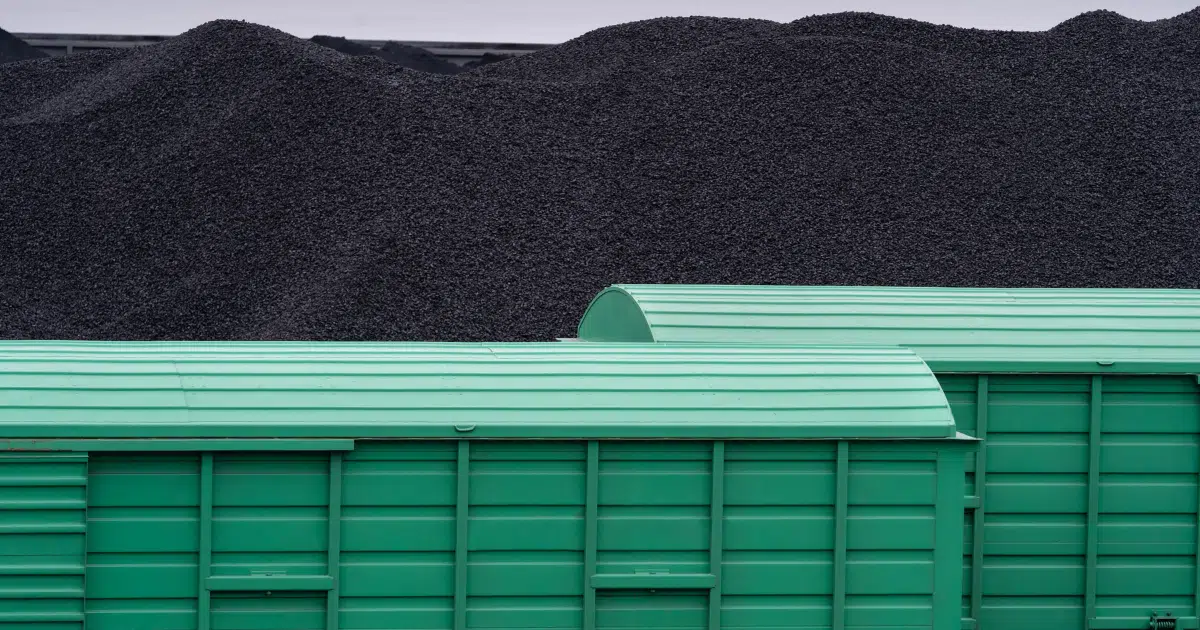
Coal Keeps The Lights On As Philippine Energy Emergency Persists
- September 16, 2026
Table of Contents
Coal demand in the Philippines is expected to remain stable this year as coal-fired power plants continue to provide much of the electricity needed to keep the country’s grid running amid an energy emergency.
In its Coal Mid-Year Update 2026, the International Energy Agency (IEA) said existing coal plants in the Philippines are already operating at high load factors, limiting the scope for significant growth in coal consumption this year while electricity demand continues to rise.
The outlook spotlights the country’s continued dependence on coal despite government efforts to reduce fossil fuel use and accelerate the shift to renewable energy.
Major Source Of Baseload Power
The Philippines relies on coal for around 60 percent of its power generation mix, making it one of the most coal-dependent electricity systems in Southeast Asia.
Coal-fired plants are considered reliable baseload facilities because they can operate continuously and provide a steady supply of electricity. The role of these plants has become more pronounced as the country faces tight power supply conditions.
In recent months, the simultaneous shutdowns of several large coal plants have contributed to power supply strain in parts of the Visayas and Mindanao.
Energy Secretary Sharon Garin has said coal remains “one of the cheapest options” for power generation. With global fuel markets still under pressure from supply disruptions linked to the conflict in the Middle East, the Department of Energy has pushed for the full dispatch of available coal capacity to help shield consumers from higher energy costs.
At the same time, the government has moved to fast-track renewable energy projects as part of efforts to address the energy emergency and strengthen the country’s power supply.
ASEAN Demand Projected To Rise
The IEA expects coal demand across the Association of Southeast Asian Nations to reach about 574 million tons this year, with power generation remaining the main driver.
While demand in the Philippines and Malaysia is expected to stay broadly stable in 2026 because existing plants are already running at high capacity, coal use in the region is projected to resume an upward trend in 2027.
Rising electricity demand in the Philippines, Indonesia and Vietnam is expected to support higher coal consumption. The Philippines and Vietnam are also projected to lead thermal coal import growth in the region, although the increase is not expected to offset declining imports from China and other mature markets.
The Philippines already depends heavily on imported coal. About 99 percent of its coal supply is sourced from Indonesia, according to the IEA.
Weather Poses Another Risk
Weather conditions could further influence coal demand, particularly if hydropower generation is disrupted.
The IEA said a strong El Niño could provide additional support for coal use by increasing electricity demand for cooling while reducing hydropower output. The weather phenomenon, marked by unusually warm Pacific Ocean surface temperatures, is associated with drought, erratic rainfall and stronger heat waves.
The Philippine Atmospheric, Geophysical and Astronomical Services Administration has said El Niño conditions could intensify in the latter part of the year and persist into early 2027.
The potential weather-driven increase comes as the Philippines continues to balance near-term reliability concerns with its longer-term energy transition.
Coal Moratorium Exemptions
The government imposed a moratorium on new coal power projects in 2020 as part of efforts to reduce dependence on fossil fuels. However, the policy does not cover existing and operating coal plants, committed projects, or certain projects that had already made substantial progress and secured required clearances.
Energy Undersecretary Rowena Cristina Guevara said a coal transition plan is being prepared, including a work program for coal projects exempted from the moratorium.
The plan could pave the way for an additional three to five gigawatts of baseload capacity.
The IEA also expects Philippine coal demand to increase over the longer term. Consumption, forecast at about 47 million tons last year, could rise by 15 percent to 54 million tons by 2030, keeping the country among Southeast Asia’s largest coal consumers.
Source:
https://business.inquirer.net/610792/el-nino-seen-to-drive-asean-coal-use
https://www.philstar.com/business/2026/09/14/2556026/coal-demand-likely-keep-steady-pace


