

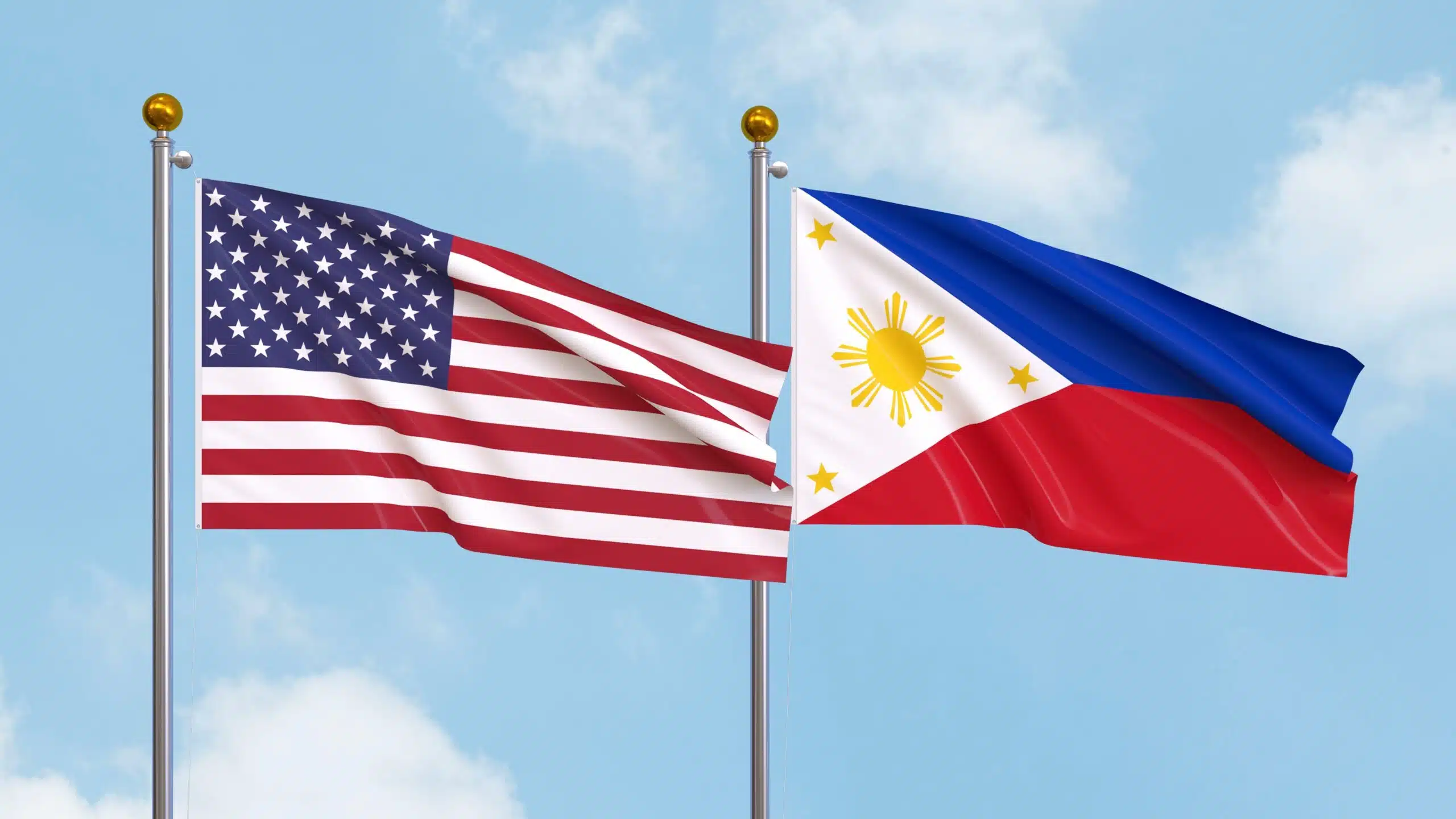
Will US Fuel Replace Middle East Imports? Philippines Weighs Its Options
- November 26, 2026
Table of Contents
The Philippines is considering expanding its purchases of crude oil, refined petroleum products, and natural gas from the United States as part of efforts to diversify its energy supply, but the government has yet to commit to sourcing all its fuel requirements from American suppliers.
Energy Secretary Sharon Garin said negotiations with Washington remain ongoing and no final agreement has been reached. This is in response to an earlier claim made by US President Donald Trump that President Ferdinand Marcos Jr. had agreed to purchase 100% of the Philippines’ energy and agricultural requirements from the United States beginning Jan. 1, 2027.
Garin clarified that the proposed energy arrangement covers fuel commodities rather than electricity, with the United States expressing willingness to export these products to the Philippines.
The discussions come as Manila seeks to strengthen its energy security amid geopolitical tensions in the Middle East, concerns over petroleum supply disruptions and the potential impact of higher fuel prices on businesses and consumers.
Malacañang also explained that Washington would serve as an additional source of supply rather than replace the country’s existing trading partners.
Palace press officer Claire Castro said the administration was pursuing more options for agricultural and energy imports to reduce the risk of shortages and limit price increases.
“More sources mean lower prices. More sources make it easier to mitigate increases in the inflation rate. They also ensure a more reliable supply of food and energy,” Castro said.
Alleged Exclusivity
Trump’s account of his discussions with Marcos, however, suggested a more unequivocal commitment.
During a Nov. 21 White House press conference, the US president said he had asked the Philippine leader to stop buying agricultural products and energy from other countries, including Brazil and suppliers in the Middle East, and purchase exclusively from American producers.
Trump claimed Marcos had agreed to the arrangement, which he said would take effect on Jan. 1, 2027.
He also said the Philippines currently obtained about 20% of its energy from the United States, with the remainder coming from the Middle East.
Marcos subsequently clarified that the discussions were intended to expand the country’s sources of food and energy, not establish exclusive dependence on American suppliers.
Speaking to reporters in Shenzhen, China, the President said the discussions included potential purchases of US soybeans, wheat, and energy products to help address supply disruptions associated with the Russia-Ukraine war.
He said the two countries still needed to work out the details, with their respective government departments expected to coordinate on implementation.
“The key takeaway there is that he (Trump) opened American markets to the Philippines when it comes to energy and food,” Marcos said.
Deregulation Still Key
Even if negotiations produce favorable terms, the government faces structural limitations in directing where petroleum products are sourced.
Garin pointed out that the Philippine oil industry operates under a deregulated framework, leaving private oil companies to determine their suppliers and negotiate purchase prices.
While the government can encourage companies to diversify their sources, it cannot dictate their procurement decisions under the existing system.
This means any expansion of American fuel imports would ultimately depend on whether private industry considers the arrangement commercially attractive.
Garin said the government would evaluate the costs and benefits of potential purchases, emphasizing that lower prices at the source do not automatically translate into cheaper fuel in the domestic market.
Shipping and insurance expenses, among other logistical considerations, could offset savings from purchasing petroleum products at lower prices.
“The lower the price, the better for us,” she said.
An expanded pool of suppliers could provide companies with greater flexibility when disruptions affect established trading routes. However, the commercial viability of sourcing from the United States would still depend on the total landed cost of the products.
Energy Security
Malacañang cited the continuing Middle East crisis as a major reason for exploring alternative sources of petroleum and other energy commodities.
Castro said Marcos had instructed Garin to ensure adequate petroleum supplies so businesses could maintain operations and households would not experience disruptions to their daily activities.
The administration is also preparing for a very strong El Niño, which could compound supply pressures through its effects on agricultural production and food availability.
Although the country currently has sufficient food stocks, Castro said the government wanted to ensure adequate supplies during the weather phenomenon’s peak.
The Philippines has a substantial trade relationship with the United States. US trade data showed that the Philippines imported $9.2 billion worth of goods from America in 2025, while Philippine exports to the US reached $17.8 billion.
The proposed expansion of energy purchases could therefore create additional commercial opportunities for American suppliers while giving Philippine companies another option in securing fuel requirements.
However, questions remain over the scope and implementation of the proposed arrangement, particularly whether it will involve specific purchasing targets, voluntary commercial transactions, or broader government commitments.
Source:
https://globalnation.inquirer.net/349504/palace-us-not-sole-source-of-ph-food-energy-needs
https://tribune.net.ph/2026/11/23/us-presidents-energy-sourcing-claim-still-under-negotiation


